Dental Crowns
A dental crown (often called a “tooth cap”) is a custom-engineered restoration designed to fit perfectly over a compromised tooth. By encasing the visible portion of the tooth, a crown restores its natural shape, size, and aesthetic while providing the structural reinforcement needed for normal daily function.
Introduction
Why Crowns are Essential
If a significant portion of your tooth has been lost to decay or trauma, a crown is the most effective way to save it. Beyond restoring your smile, crowns serve two critical protective roles:
Preventing Tooth Loss:
Delaying a recommended crown can lead to further fractures or deep decay. Without this protective “cap,” a tooth can deteriorate to the point where extraction becomes the only remaining option.
Protecting Your Bite:
A weakened or broken tooth often causes you to shift your chewing patterns, which can lead to excessive wear and damage on your healthy neighboring teeth.
By choosing a crown early, you preserve your natural tooth and maintain the overall balance and health of your entire mouth.
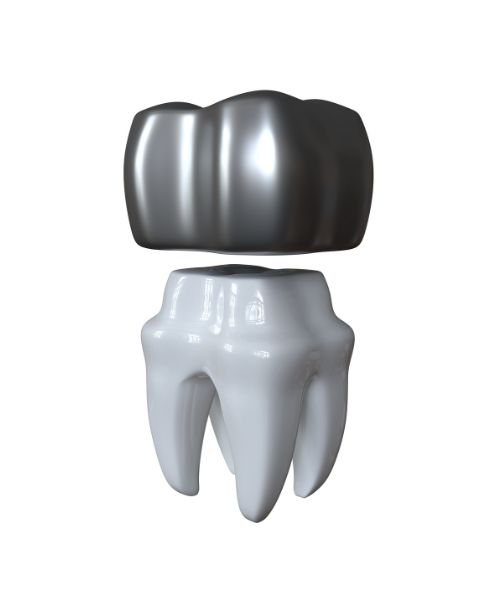
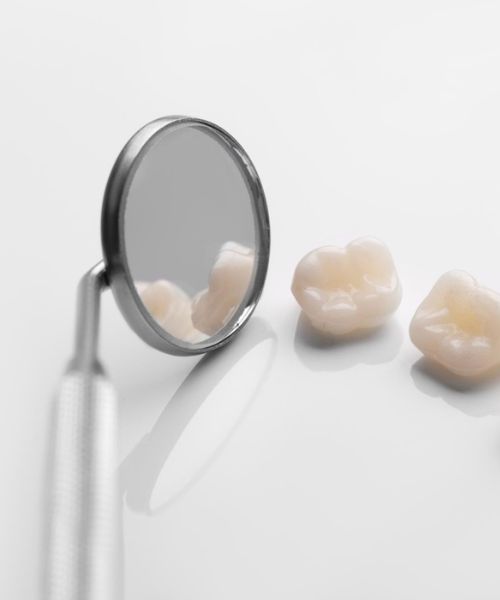
When Do You Need a Dental Crown?
Think of a dental crown as a helmet for your tooth – it protects and strengthens teeth that need extra support. Here’s when you might need one:
- Protect a damaged tooth – If your tooth is cracked or broken from an injury, a crown helps prevent further damage
- Restore a severely decayed tooth – When a cavity is too large for a regular filling, a crown can save your tooth
- Complete a dental implant – Crowns are placed on top of implants to give you a natural-looking replacement tooth
- Strengthen a tooth after root canal treatment – After a root canal, your tooth needs extra protection, and a crown provides that strength
- Improve the appearance of your smile – Crowns can cover teeth that are discolored, misshapen, or didn’t develop properly
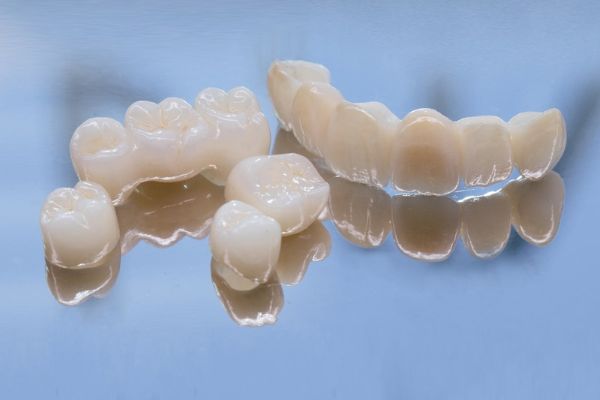
- Support a dental bridge – If you’re getting a bridge to replace missing teeth, crowns on neighboring teeth hold it securely in place
When Do You Need a Dental Crown?
Visit 1: Preparation and Advanced Customization
The dental crown procedure takes place over multiple sessions. The goal of the first visit is to create a healthy, stable foundation for your new crown.
Initial Assessment:
Your dentist will examine the tooth and bone structure using digital X-rays to ensure the roots can support a restoration.
The Preparation Phase:
To ensure the crown fits naturally among your other teeth, the tooth is carefully reshaped. If the tooth is severely damaged or broken, we use durable filling material to “build up” the structure.
Precision Technology for Crown Lengthening:
In cases where a tooth is broken near the gum line, we utilize our Piezosurgery and Electrocautery units for minor surgeries like crown lengthening. By using this advanced machinery, we can precisely prepare your tooth for a crown while ensuring you receive quality, minimally invasive care in minimal visits.
Taking Impressions:
In the first visit your dentist also takes a highly accurate digital scan or physical impression of your prepared tooth. This is then sent to our dental lab to craft your custom permanent crown.
The Temporary Crown:
The dentist then attaches a temporary crown which acts like a protective care until the final crown is prepared. This crown also protects your tooth and keeps your smile functional.
Visit 2: Permanent Placement
Your custom crown is usually ready in 1-2 weeks. Once it is ready our team will call you for the final fitting appointment.
Removal & Cleaning:
Before fitting the final crown, we gently remove the temporary crown and clean the tooth surface.
The Perfect Fit:
We check the permanent crown’s fit, color, and how it aligns with your bite. We want it to feel as natural as the tooth it is replacing.
Final Bonding:
Once you and the dentist are happy with the look and feel, we use a specialized, high-strength adhesive to permanently fasten the crown.
Post Operative Care
After a dental laser appointment, patients do not experience any pain or discomfort; they are rather likelier to experience a little tenderness in the operated area. In the first 24 hours, they may experience swelling. However, the inflammation reduces in 2-3 days and the gums and operated sites begin to recover within a week.
Daily Oral Hygiene
Use a soft-bristled toothbrush twice daily and be gentle around the new crown as the gums may feel tender initially. Continue flossing regularly to keep the margins clean, and use saltwater or prescribed rinses to maintain hygiene and support proper healing.
Eating and Drinking Guidelines
Stick to soft foods for the first 48 hours and gradually return to your normal diet as comfort improves. You may notice sensitivity to hot or cold foods, which is normal. Avoid sticky foods that could affect the stability of the newly placed crown.
Managing Discomfort
Mild sensitivity or slight discomfort around the crown area is normal and usually temporary after the procedure. Over-the-counter pain relievers can help manage it effectively. If pain becomes severe, persistent, or interferes with daily activities, contact the clinic immediately for evaluation.
Maintenance & Long-Term Care
Treat your crown like a natural tooth by maintaining proper brushing and flossing habits daily. Ensure the gum line stays clean to prevent decay. If advised, wear a nightguard to protect the crown from grinding or clenching and extend its durability.
The "Bite" Check
After the anesthesia wears off, your bite may feel slightly uneven or different than usual. If you notice discomfort while closing your mouth or chewing, visit the clinic for a quick adjustment. Proper bite alignment is important to prevent pain and long-term damage.