Clear Aligners
Straighten your teeth discreetly with clear aligners at Bharati Dental Hospital. Designed for comfort and convenience, these nearly invisible solutions help you achieve a confident smile without the hassle of traditional braces.
Introduction
What is Clear Aligners?
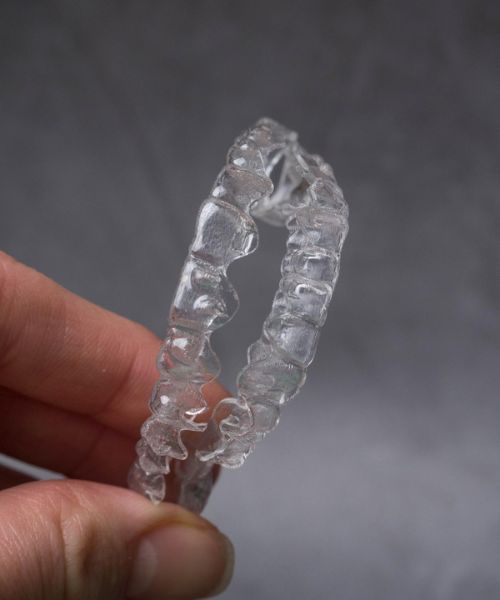
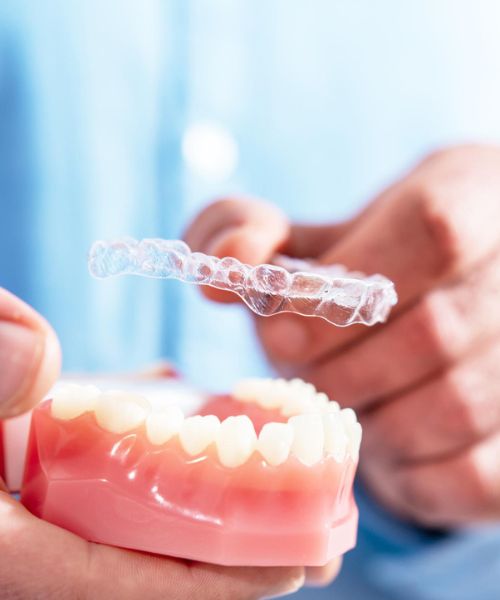
Clear aligners offer a comfortable, discreet, and effective alternative to traditional braces. These custom-made, transparent trays gently shift your teeth into their ideal position—without the need for metal wires or brackets.
At Bharati Vidyapeeth Dental Hospital, we provide advanced aligner treatments designed to fit seamlessly into your lifestyle. Whether you’re an adult or a teen, aligners allow you to smile confidently throughout your treatment, with the convenience of being removable for eating, brushing, and special occasions.
Our experienced dental specialists use the latest digital scanning and 3D planning technology to create a personalized treatment plan that ensures precise results and a beautiful, healthy smile.
Experience the future of orthodontics with clear aligners—comfortable, convenient, and virtually invisible
Scope of Services
Orthodontic Consultation and Diagnosis
- Initial orthodontic examination.
- Assessment of teeth, jaws and facial growth.
- Diagnosis of malocclusion and dentofacial abnormalities.
- Comprehensive treatment planning.
- Diagnostic records including photographs, study models/scans and radiographic assessment as required.
Preventive and Interceptive Orthodontics
- Monitoring of dental and facial growth.
- Early identification of developing malocclusion.
- Space management and space maintenance.
- Habit-breaking appliances.
- Guidance for developing dentition.
- Interceptive treatment in growing children.
Comprehensive Orthodontic Treatment
- Treatment of crowding and spacing.
- Correction of increased overjet /overbite and crossbite.
- Correction of other dental and skeletal malocclusions.
- Fixed orthodontic appliances.
- Removable and functional appliances.
Growth Modification
- Orthopaedic /functional treatment for suitable growing patients.
- Management of developing skeletal discrepancies.
- Growth assessment and monitoring.
Adult Orthodontics
- Orthodontic treatment for adults.
- Management of aesthetic and functional dental concerns.
- Orthodontic preparation for multidisciplinary dental treatment where required.
Complex and Multidisciplinary Cases
- Orthodontic management in co-ordination with other dental specialties.
- Pre-surgical and post-surgical orthodontic treatment for jaw discrepancies.
- Management of impacted teeth in appropriate cases.
- Orthodontic preparation for prosthetic, restorative or periodontal procedures.
Retention and Follow-up
- Retention planning following orthodontic treatment.
- Fixed and removable retainers.
- Post-treatment follow-up and monitoring.
Patient Education and Preventive Care
- Oral hygiene instructions during orthodontic treatment.
- Dietary and appliance-care advice.
- Information regarding treatment duration, compliance and follow-up.
- Counseling regarding maintenance of treatment results.
It is possible to eat everything
With Invisalign, you can enjoy your favorite foods without restrictions since aligners can be removed easily before eating. After meals, simply brush your teeth and place them back to continue your treatment comfortably without affecting your daily routine.
Better oral hygiene and health
Invisalign makes maintaining oral hygiene easier because you can remove the aligners while brushing and flossing your teeth. This helps keep your teeth clean, reduces plaque buildup, and supports healthier gums throughout your treatment period.
Invisalign are strong
Invisalign aligners are designed using durable materials that make them strong and reliable during treatment. They are less likely to break compared to traditional braces, reducing the need for frequent dental visits and ensuring a smoother treatment experience.
Frequently asked questions
What is orthodontic treatment?
Orthodontic treatment corrects irregularities in teeth and jaws, such as misalignment, crowding, or bite problems, to improve oral health and aesthetics
At what age should a child first see an orthodontist?
The American Association of Orthodontists recommends an initial check-up by age 7, though treatment may start later.
Can adults get orthodontic treatment?
Yes! Orthodontic treatment is effective at any age as long as the gums and bone are healthy.
How long does orthodontic treatment take?
Treatment usually lasts 12 to 24 months, but it depends on the case complexity and patient cooperation.
Is orthodontic treatment painful?
There may be mild discomfort after braces are fitted or adjusted, but it typically subsides within a few days.
How often will I need to visit the orthodontist?
Appointments are usually scheduled every 4–8 weeks for adjustments and progress checks.
Will orthodontic treatment affect my speech?
Some patients experience temporary lisping or speech changes, but it usually resolves as you adapt.
Are extractions always needed before getting braces?
Not always. Extractions are recommended only if there’s severe crowding or jaw size discrepancies.
Can orthodontic treatment fix jaw problems?
Yes, certain jaw discrepancies can be corrected with orthodontics alone or combined with surgery in severe cases.
What are retainers and why are they important?
Retainers maintain your teeth in their new positions after treatment. Skipping them can cause relapse.
What are the types of braces available?
Common types include metal braces, ceramic (clear) braces, self-ligating braces, and lingual braces (placed behind the teeth).
Which type of braces works the fastest?
All types are effective; however, self-ligating and metal braces often work slightly faster due to lower friction.
Can I eat normally with braces?
You should avoid hard, sticky, or chewy foods that can damage brackets or wires—like popcorn, gum, and nuts.
How do I clean my teeth with braces?
Use an orthodontic toothbrush, interdental brushes, and floss threaders daily. Regular professional cleaning is also essential.
What should I do if a bracket or wire breaks?
Contact your orthodontist as soon as possible. In the meantime, use orthodontic wax to cover any sharp ends.
Do braces cause tooth discoloration?
Poor oral hygiene can lead to staining or decalcification around brackets. Proper cleaning prevents this.
Can I play sports with braces?
Yes, but wear a mouthguard to protect your teeth and braces during contact sports.
Will braces set off metal detectors ?
No, orthodontic braces do not trigger metal detectors.
Can I get braces if I have fillings or crowns?
Yes. Braces can be applied even if you have restorations; your orthodontist will adjust your plan accordingly.
Do braces change the shape of your face?
They can subtly enhance facial symmetry and jawline definition by correcting bite and alignment.
What are clear aligners?
They are removable, transparent trays custom-made to gradually move teeth into alignment.
How often should I wear my aligners?
You should wear them 20–22 hours per day, removing them only for eating, brushing, and flossing.
Are aligners as effective as braces?
Yes, for mild to moderate cases. Severe or complex cases may still require traditional braces.
How often do I change aligner trays?
Typically every 1–2 weeks, depending on your orthodontist’s instructions.
Can I eat or drink with aligners on?
Only water is allowed. Remove them before eating or drinking anything else to prevent staining or damage.
Are aligners painful?
You may feel mild pressure or soreness for a day or two after switching to a new set of aligners.
How do I clean my aligners?
Rinse with lukewarm water, brush gently with a soft toothbrush, or use aligner cleaning crystals or tablets.
Can I switch between braces and aligners during treatment?
In some cases, yes — hybrid treatments combine both systems for optimal results.
Are clear aligners noticeable?
They are nearly invisible, making them a discreet option for adults and teens.
What happens after aligner treatment ends?
You’ll need to wear a retainer to maintain your new smile and prevent teeth from shifting back