Root Canal Treatment (RCT)
Restore your natural tooth and relieve pain with advanced root canal treatment at Bharati Dental Hospital. Our specialists ensure a comfortable, precise, and effective procedure designed to save your tooth and protect your long-term oral health.
Introduction
What is a root canal?
Root canal treatment is done to save damaged teeth or teeth that have developed infections. This procedure is a must when a person is suffering from tooth decay; experiencing pain while chewing food, has a cracked tooth or has sensitivity to hot or cold items.
A root canal helps preserve your natural tooth by removing the infected tissue from inside and sealing it to prevent further damage. By treating the infection at the right time, it not only relieves pain but also restores normal function, allowing you to eat, chew, and speak comfortably without discomfort.


When is a Root Canal Required?
A root canal becomes necessary when the pulp (the soft tissue inside your tooth containing nerves and blood vessels) becomes inflamed or infected. While only a dentist can give a definitive diagnosis via X-ray, you should look out for these “red flag” symptoms:
- Persistent Pain: You experience deep, throbbing pain that doesn't go away, and it often only worsens when you lie down or lean over.
- Temperature Sensitivity: There is sharp pain when eating or drinking something hot or cold; the pain lingers long after the food is eaten.
- Gum Swelling: A small, pimple-like bump (abscess) on the gums near the painful tooth.
- Tooth Discoloration: A tooth that has turned dark gray or black, indicating the internal tissue may be dying.
- Pain Upon Pressure: Intense discomfort when biting down or even lightly touching the tooth.
Benefits

Reasons Why You Shouldn’t be Avoiding a Root Canal
Root canal treatment is done to save damaged teeth or teeth that have developed infections. This procedure is a must when a person is suffering from tooth decay; experiencing pain while chewing food, has a cracked tooth or has sensitivity to hot or cold items.
Spread of Infection (Abscess)
The bacteria inside the tooth will eventually travel through the root tips and into the surrounding bone. This creates a painful, pus-filled pocket known as an abscess, which can cause significant facial swelling and fever.
Bone Loss
Chronic infection eats away at the jawbone anchored around the tooth. Over time, this weakens the foundation of your mouth and can lead to the loss of neighboring healthy teeth.
Tooth Loss
If the infection progresses too far, the tooth may become unsalvageable. At this stage, the only option is extraction. Replacing a missing tooth with an implant or bridge is far more invasive and expensive than saving the natural tooth with a root canal.
Systemic Health Risks
In severe cases, the infection can enter the bloodstream. This is a serious condition that can lead to complications in the other healthy parts of the body including heart and lungs.
How is root canal of teeth done?
Root canal procedures are performed by the endodontist who first takes out the infected portion of the pulp present in the tooth’s root. They clean and shape the root canal and fill up the gap with cement. A crown is placed on the tooth which restores its functioning and also protects it from infections in future.
We offer patients with different dental crown types. We discuss the type that fits their requirements and budget beforehand after which the crown is customized according to the size of the teeth.
Again, is RCT painful – is a very common question that patients have and worry about. We understand the pain and so we make sure that the treatment is painless and comfortable for you. Prescription medication is provided by the dentist if necessary. We also discuss dental implant options with patients if the tooth is beyond repair.
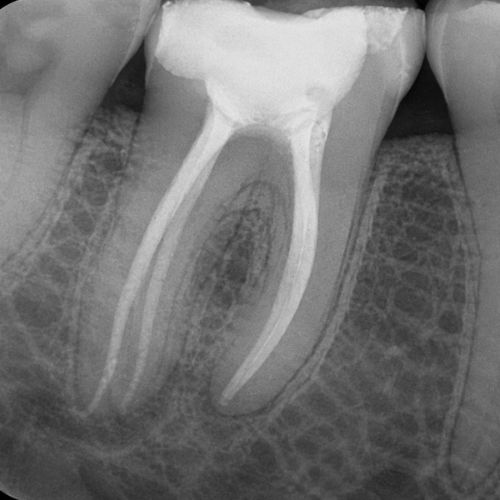
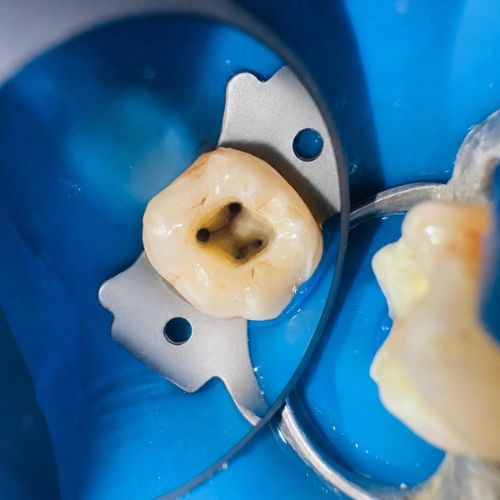
The benefits of root canal:
- We use advanced ultrasonic cleaning to reach deep into tiny areas of the tooth that traditional tools miss, ensuring a more thorough disinfection and a successful root canal.
- The crown used for restoring the teeth is often matched to the color of the other teeth which can in turn; enhance the appearance of the teeth.
- Root canal for teeth can save the tooth from loosening as well as from falling off.
- The damaged pulp in teeth can cause considerable pain to the patient which can then be alleviated with a root canal.
- The person can eat, chew and talk normally and without experiencing pain once this treatment is done.
Post-Operative Care: Root Canal Treatment
Root canal therapy is typically completed in 1–2 appointments. Proper care between and after these visits is essential for a smooth recovery and the long-term success of your treatment.
Managing Numbness
The anesthetic used during your procedure may leave your lips, teeth, and tongue numb for several hours after treatment. Avoid chewing or drinking hot liquids until the numbness has completely worn off to prevent accidental biting or burns.
Protecting the Temporary Filling
A temporary filling is placed to protect the tooth between appointments and maintain the internal structure of the treated area. Avoid sticky or hard foods and try chewing on the opposite side until your permanent restoration is completed.
Managing Discomfort
It is normal to experience mild sensitivity or a dull ache after the procedure, especially while chewing or applying pressure. Most discomfort can be managed with prescribed or over-the-counter medication, but contact the clinic if pain becomes severe or persistent.
Final Restoration
After a root canal, the treated tooth becomes more brittle and requires proper restoration for long-term strength and protection. It is important to return for your permanent crown or filling to restore function and prevent future fractures or damage.